

Sydney disability accommodation and transition support
Eden Ability supports NDIS participants, families and referring professionals to plan safe short stays, medium-term accommodation and disability supports after hospital discharge. We work with support coordinators, hospital teams, social workers, allied health professionals and families to understand the participant’s needs before any placement is confirmed.
Need to discuss a planned or time-sensitive referral? Call 1300 22 88 56 or email [email protected].
Three pathways, one coordinated intake
Short-term respite (formerly STA)
Planned short stays that give a participant time apart from their usual care arrangements and help sustain their informal support network.
- Personal care and routine support
- Safe, accessible accommodation options
- Support matched to assessed needs and funding
- Planned handover with family and the support team
Medium-term accommodation (MTA)
Temporary accommodation for eligible participants who cannot yet move into their long-term home, including some people who are medically ready to leave hospital.
- Accommodation for up to 90 days where approved
- Transition planning toward the long-term home
- Coordination with SDA, SIL, ILO or home-modification pathways
- Separate planning for personal supports
After-hospital disability support
Non-clinical disability support and accommodation transition planning for participants who are ready to leave hospital and need an organised handover.
- Referral review with the discharge team
- Support-worker rostering and training where required
- Equipment, mobility and environmental checks
- Continuity with support coordinators and allied health teams
Short-term respite and Short Term Accommodation
The NDIS now describes Short Term Accommodation as short-term respite. Older plans and documents may still use “STA.” The purpose is to give a participant time apart from their usual care arrangements while helping their primary informal supports take a short break and continue in their caring role.
Eden Ability can discuss planned respite arrangements that protect the participant’s routines, communication preferences, dignity and safety. Before a stay, we review personal care needs, medication arrangements, mobility and equipment, communication, behaviours of concern, preferred activities, dietary information and emergency contacts.
Under current NDIS guidance, short-term respite is not a holiday package or crisis housing, and NDIS funding cannot be used for items such as holidays, airfares, entertainment or food and meals. Always check the participant’s plan and the latest NDIS guidance before booking. Read the current NDIS short-term accommodation guidance.
Medium-term accommodation while a long-term home is being prepared
MTA is a one-off NDIS accommodation support that may fund somewhere to live for up to three months, or 90 days, in specific circumstances. It can be relevant when a participant cannot yet move into their long-term home because an SDA vacancy, home modification or disability support arrangement is not ready.
Current NDIS guidance also allows MTA to support some hospital discharges where the participant is eligible for SDA, SIL, ILO or home modifications. A confirmed long-term address may not be required for this hospital-discharge pathway, but the NDIA still decides eligibility.
MTA pays for the accommodation itself. It does not include food, internet, electricity or personal care. Approved disability supports can continue separately while the participant stays in MTA. Read the current NDIS MTA guidance.
Support after hospital discharge
A safe discharge depends on clear responsibilities. The hospital and health system remain responsible for medical discharge planning, clinical treatment and making sure the person is medically ready to leave. Eden Ability’s role is to assess whether we can provide suitable disability accommodation and NDIS-funded supports after discharge.
Where suitable and funded, this may include assistance with personal care, showering, dressing, continence routines, meal preparation, household tasks, community access, medication support within the worker’s scope, overnight support and 24/7 staffing. The exact roster is based on the participant’s assessed needs, risks, goals, funding and agreed service arrangement.
We can join planning discussions with the participant’s consent and coordinate with the support coordinator, hospital social worker, NDIS health liaison contact, occupational therapist, behaviour support practitioner, plan manager and family or nominee.
When should a hospital, support coordinator or social worker refer?
- The participant is medically ready, or approaching readiness, for discharge but cannot safely return to their usual home.
- A temporary accessible option is needed while an approved long-term home or home modification is being prepared.
- The participant needs a planned short-term respite stay and a clear support handover.
- Current accommodation has broken down or is temporarily unavailable, and the appropriate housing pathway is being clarified.
- A new or changed support roster, equipment plan or staff training package must be organised before transition.
Information that helps us assess a referral quickly
- Participant and authorised representative contact details
- Requested service, preferred location and proposed start date
- NDIS plan dates, relevant funding and management type
- Hospital discharge summary or social work report where relevant
- Occupational therapy and functional assessments
- Current support plan, care plan and risk assessments
- Personal care, continence and mealtime-management needs
- Mobility, transfers, equipment and accessibility requirements
- Communication preferences and decision-making supports
- Medication and health-support arrangements
- Behaviour support plan and restrictive-practice information, if applicable
- Long-term housing goal and current transition plan
For privacy, please do not email sensitive participant records until Eden Ability has confirmed the appropriate secure handover process.
Our referral and transition process
Initial discussion
We clarify the requested support, timing, funding, risks and decision-makers.
Suitability review
We review the participant’s needs, environment, staffing, equipment and available capacity.
Transition plan
We agree on responsibilities, staff handover, routines, documentation and commencement steps.
Ongoing review
We monitor the arrangement and coordinate toward the participant’s longer-term goals.
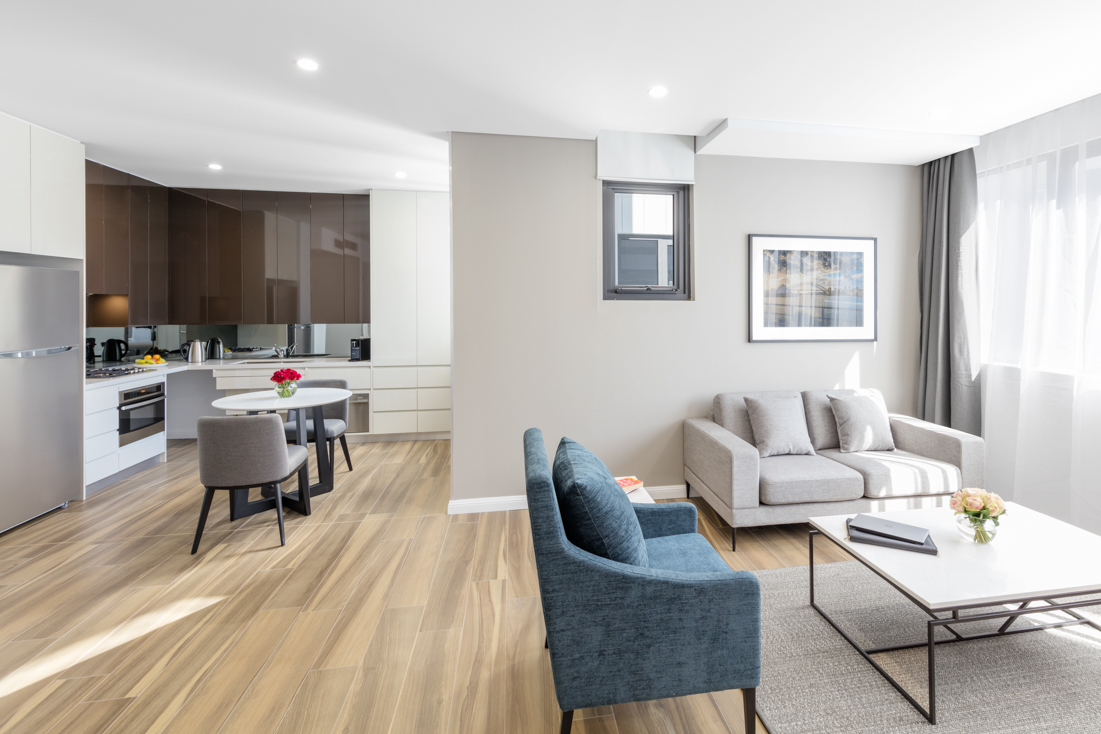
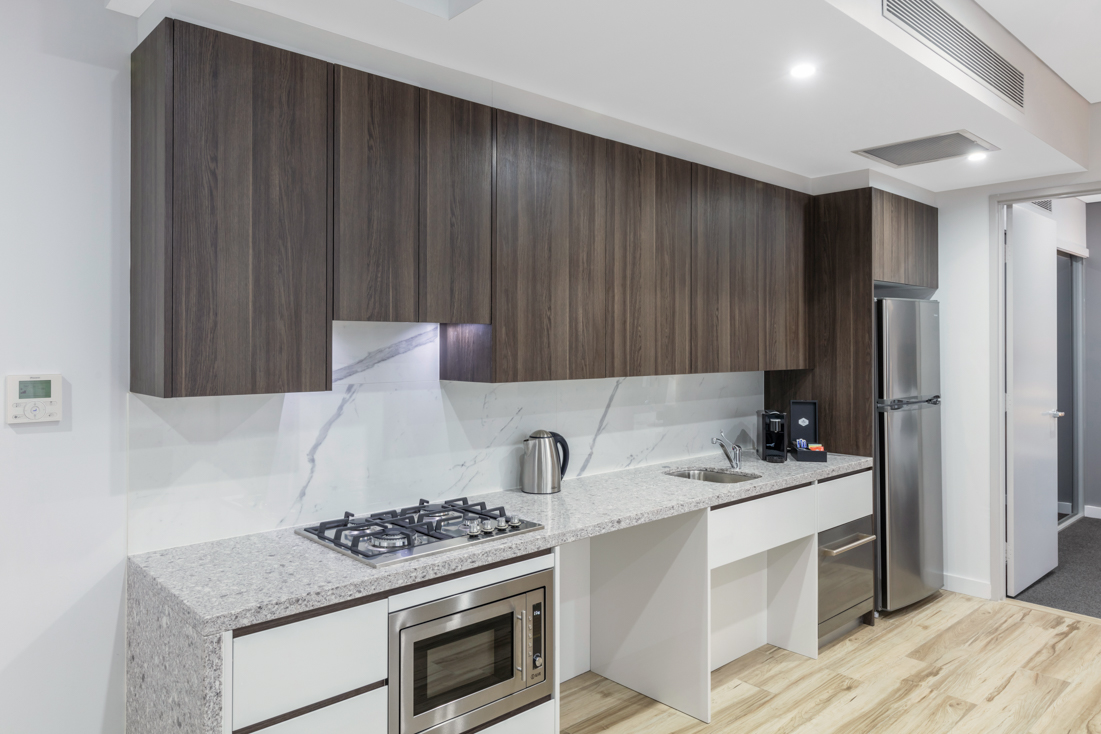
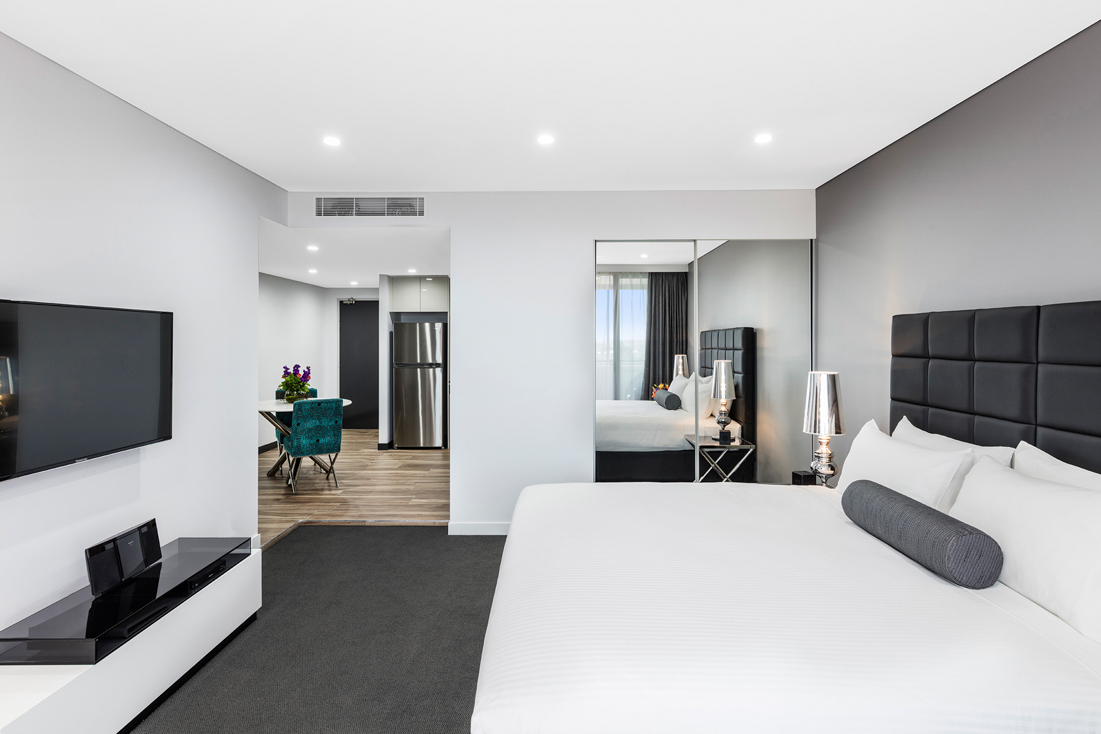
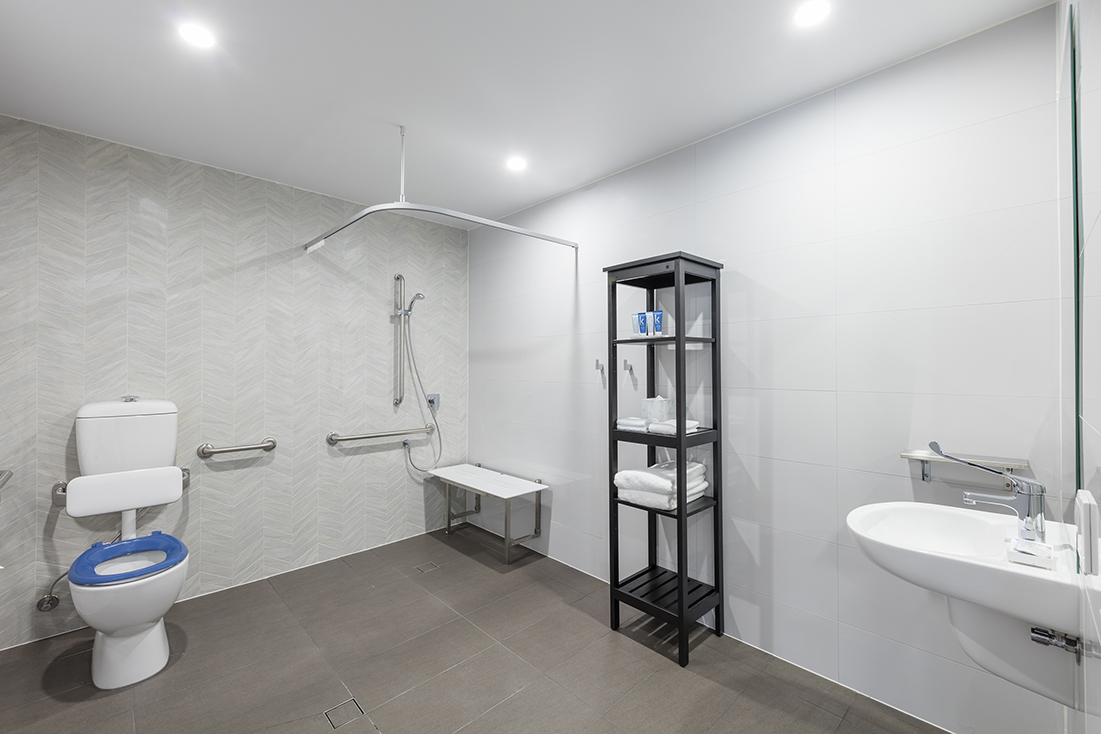
Inside selected accommodation
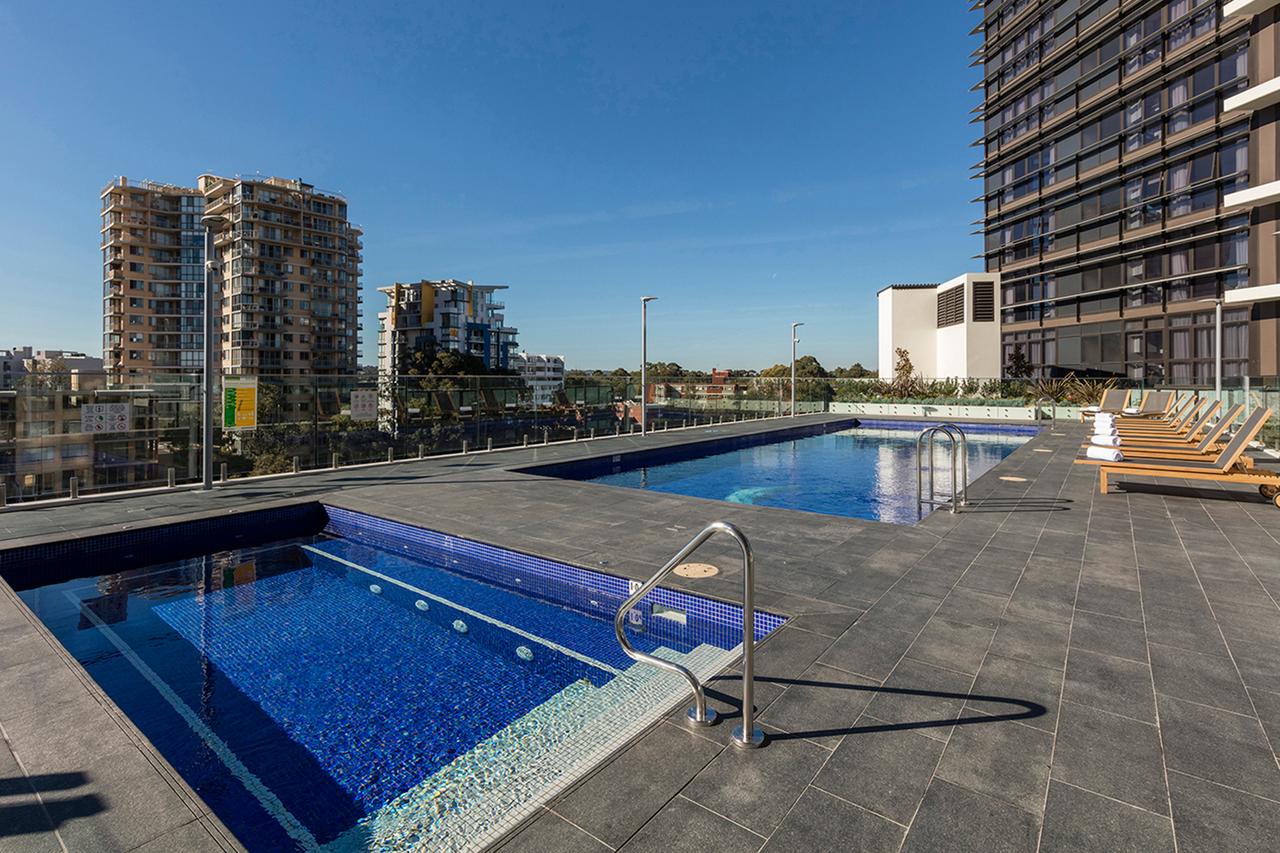
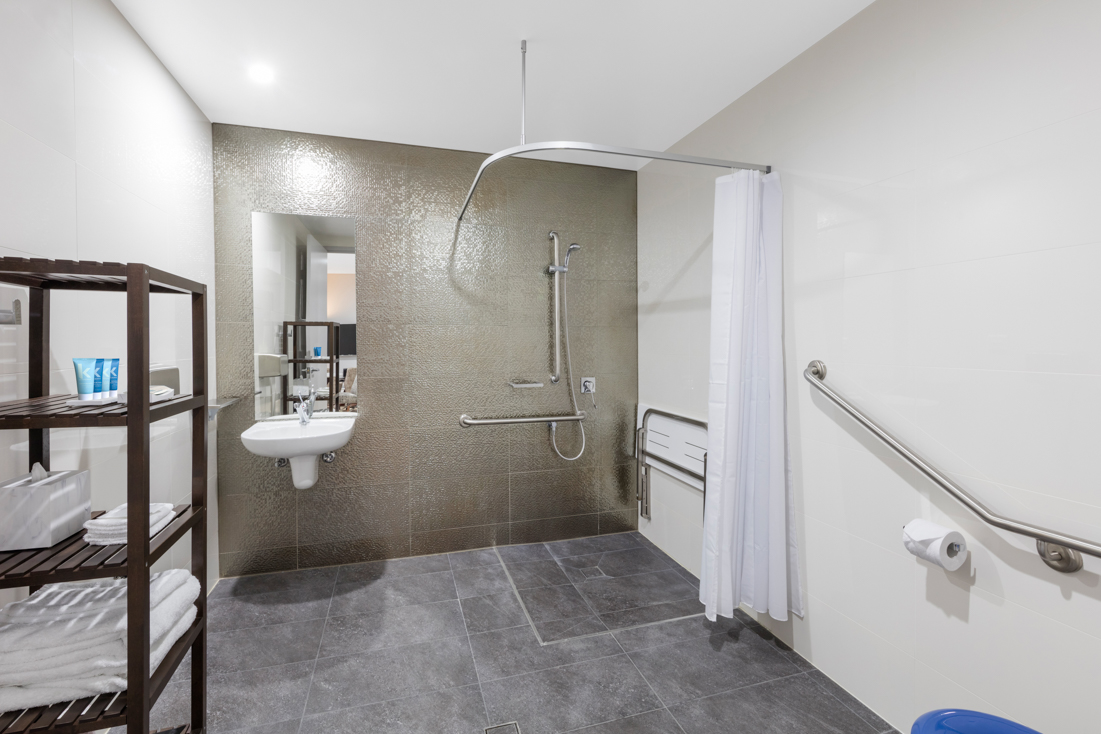
These photos show examples of accommodation environments and property features that may be available. The exact property, room layout, accessibility features and furnishings will be confirmed during the referral and suitability process.
Accommodation features and shared amenities
Depending on the location, suitability and current availability, some accommodation options may include shared building amenities such as a swimming pool, gym or sauna. Amenities vary between properties, may have access rules or support considerations, and are not guaranteed. Eden Ability will confirm the property features, accessibility and any supervision requirements before a stay is agreed.
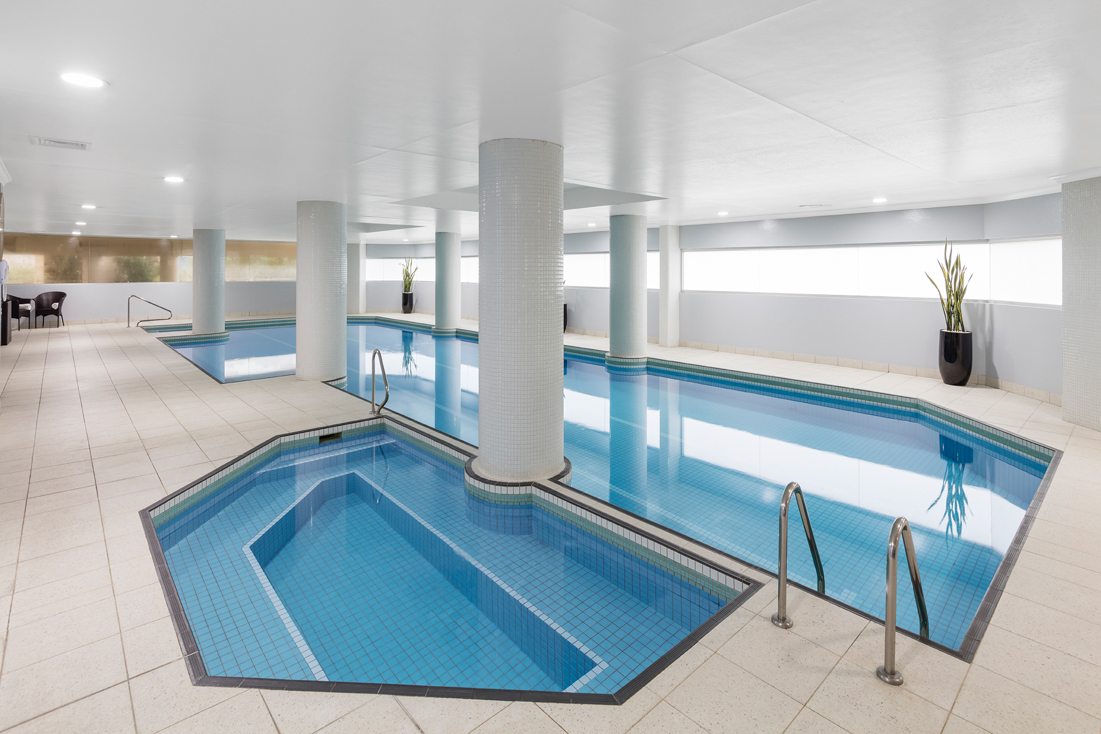
Swimming pool
Some properties may provide a shared pool. We confirm access arrangements and discuss any individual support or water-safety needs before use.
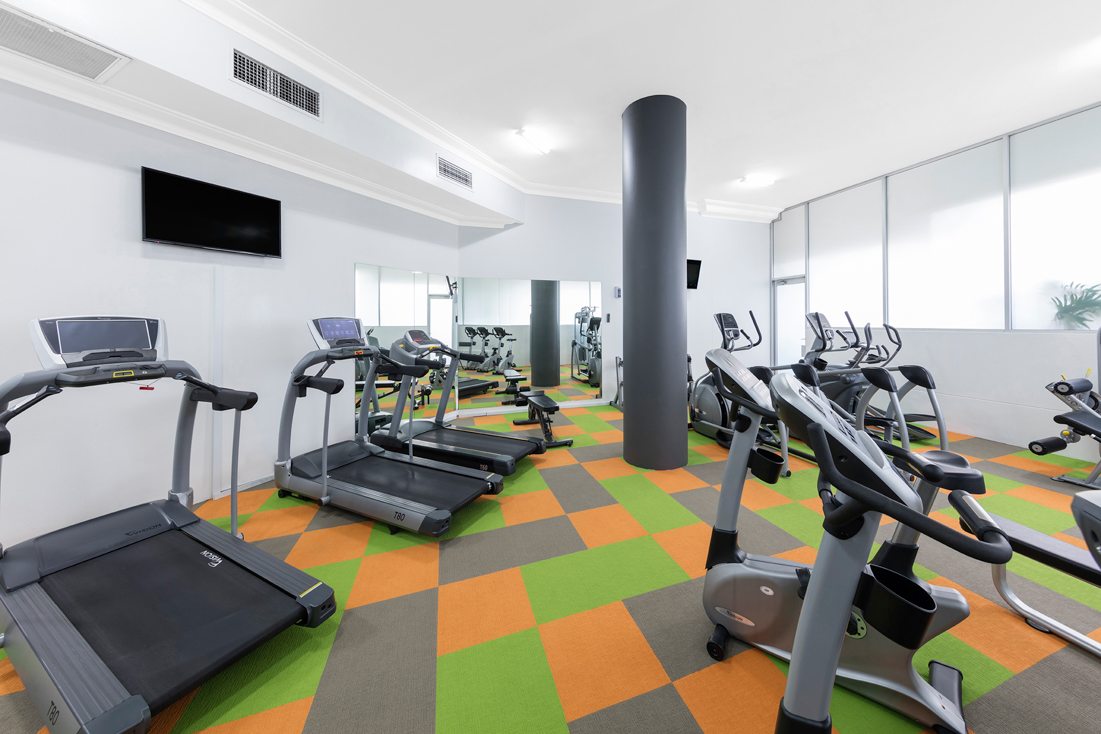
Gym
A shared gym may be available at selected properties. Access depends on the building rules, participant goals, risk considerations and agreed supports.
Sauna
Some buildings may include a shared sauna. Suitability, safe use and any health-related restrictions must be considered before access.
Current accommodation locations
Eden Ability’s current Housing Hub portfolio includes the properties below. Housing Hub states that MTA funding can be used for all nine published properties. Respite stays and after-hospital placements depend on current availability, the home, support needs and a safe suitability review.
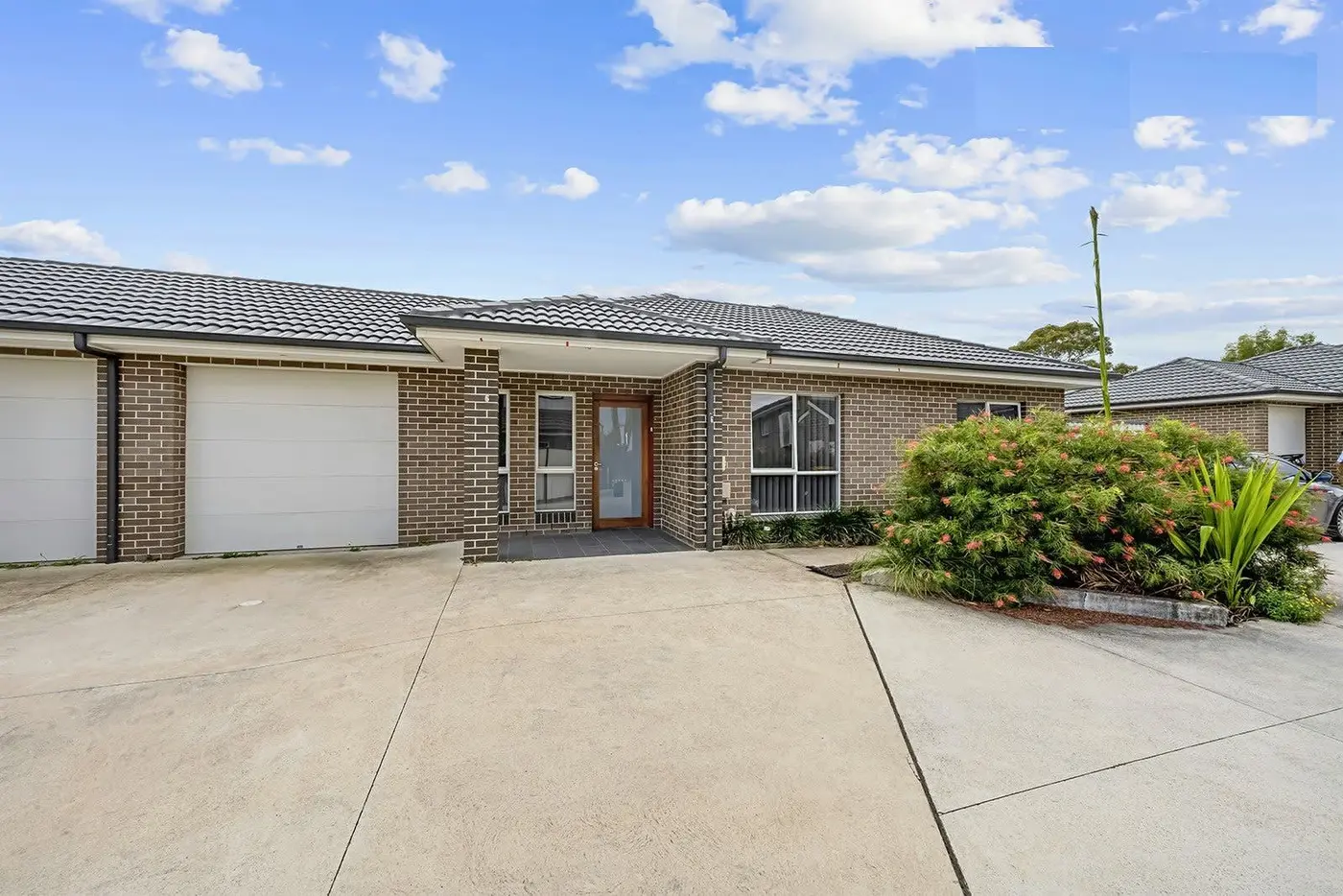
Bossley Park Villas
Independent living villas with access to 24/7 onsite shared support.
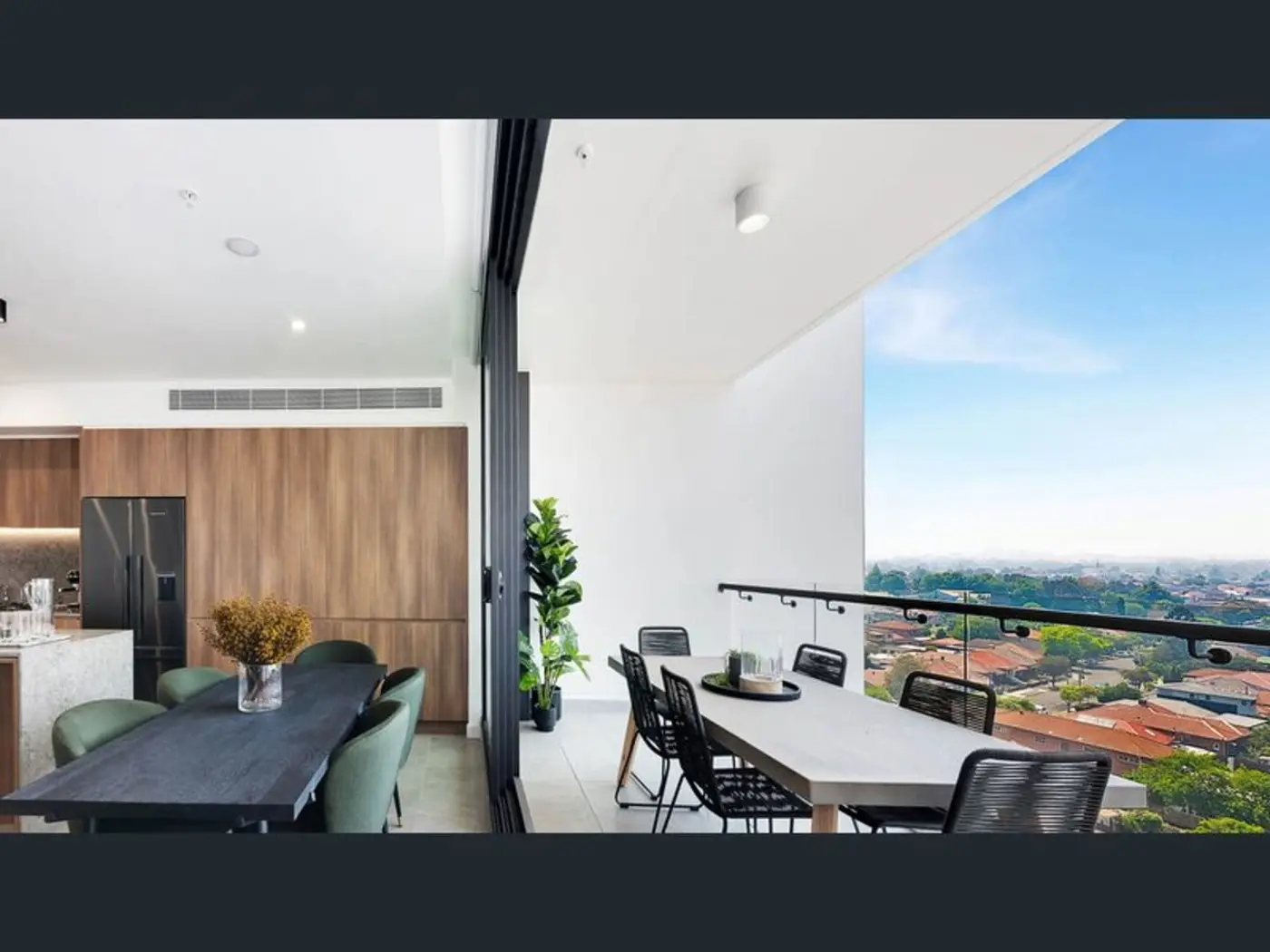





Mittagong
SIL accommodation; Housing Hub currently shows no rooms, so enquire about changes or a waitlist.

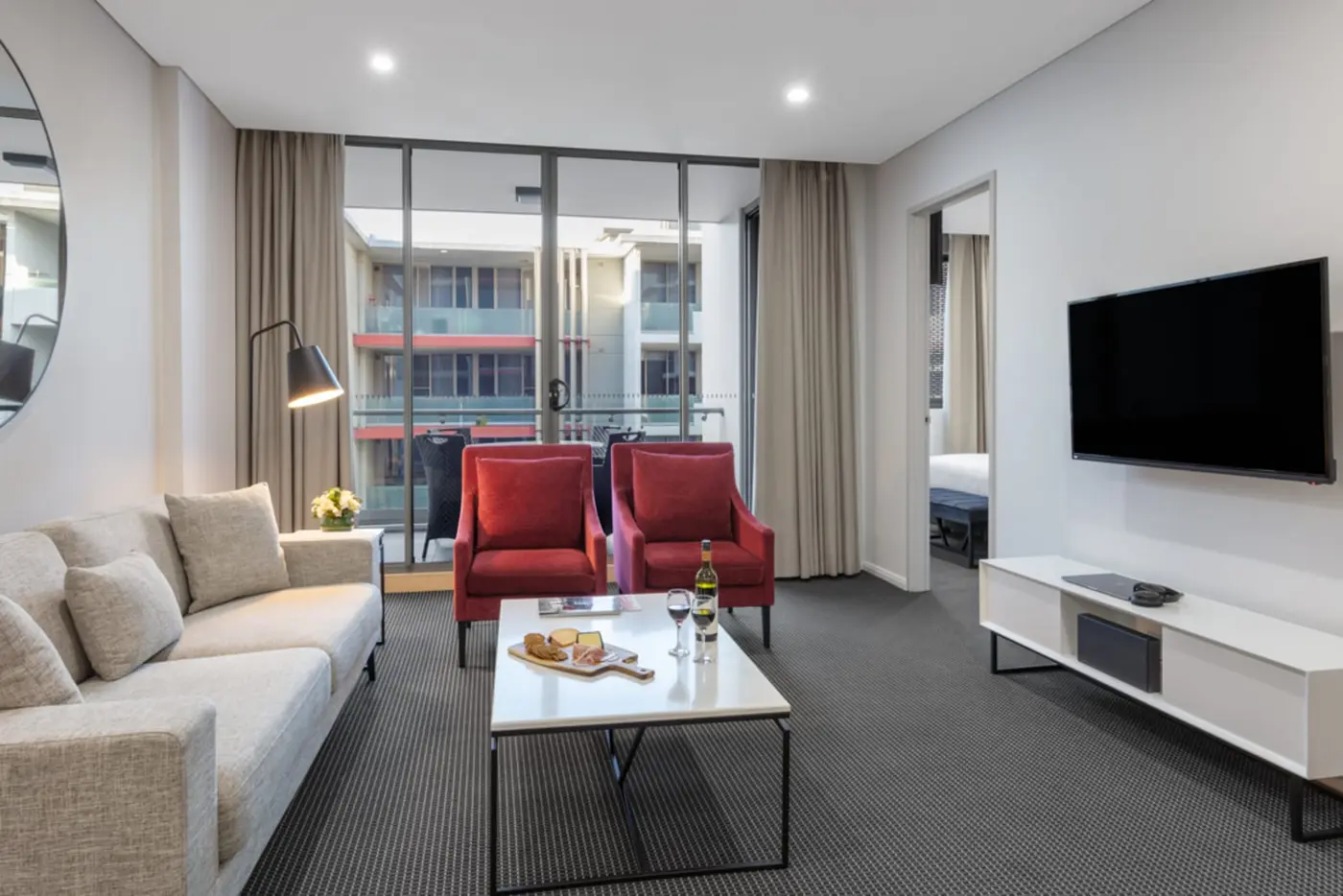
Lidcombe
Ask about current respite, MTA or after-hospital accommodation options in Lidcombe.
Need the complete vacancy list? View current and earlier Eden Ability homes, or contact our team for a current suitability and availability check.
Related Eden Ability services
- Supported Independent Living (SIL)
- Specialist Disability Accommodation and housing support
- Eden Independence supports
- All Eden Ability services
Frequently asked questions
Is Short Term Accommodation the same as respite?
The NDIS now uses the term short-term respite for what was commonly called Short Term Accommodation or STA. Older plans may still use STA. The support is intended to give a participant time apart from their usual care arrangements and help sustain their informal supports.
How long can a short-term respite stay be?
The length and frequency depend on the participant’s approved funding, needs and current NDIS guidance. Eden Ability confirms the proposed dates, support requirements and funding before a stay is agreed.
Does NDIS short-term respite funding cover food and holidays?
No. Current NDIS guidance says short-term accommodation funding cannot be used for food or meals, holidays, airfares, holiday packages or entertainment. Participants should check their plan and the latest NDIS rules.
What is Medium-Term Accommodation?
MTA is a one-off NDIS accommodation support for eligible participants who need somewhere temporary to live while their long-term home or disability supports are being prepared. It may be funded for up to 90 days.
Does MTA include support workers and personal care?
No. MTA funds the accommodation itself. Personal care and other disability supports must be funded and arranged separately through the participant’s plan or another responsible system.
Can MTA help someone leave hospital?
It can in some circumstances. Current NDIS guidance says MTA may help an eligible participant leave hospital while longer-term SDA, SIL, ILO or home-modification arrangements are being organised. The NDIA makes the funding decision.
Can a hospital social worker or support coordinator refer directly?
Yes. With the participant’s or authorised representative’s consent, a hospital, social worker, support coordinator, recovery coach or allied health professional can contact Eden Ability to discuss service suitability and current capacity.
Is Eden Ability an emergency housing service?
No. Eden Ability is not an emergency or crisis housing service. Urgent enquiries are welcome, but every referral requires a suitability, safety, capacity and funding review before a placement or service can be confirmed.
Discuss a referral with Eden Ability
Participants, families, support coordinators, hospital teams and social workers can contact our team to discuss suitability and current capacity.
This page provides general information only and does not guarantee NDIS funding, eligibility, service availability or clinical suitability. NDIS rules and pricing can change. Always check the participant’s current plan and the latest NDIA guidance. In an emergency, call 000 or use the appropriate crisis service.